Why Veterans Don’t Need to Be “Fixed” — They Need to Be Supported
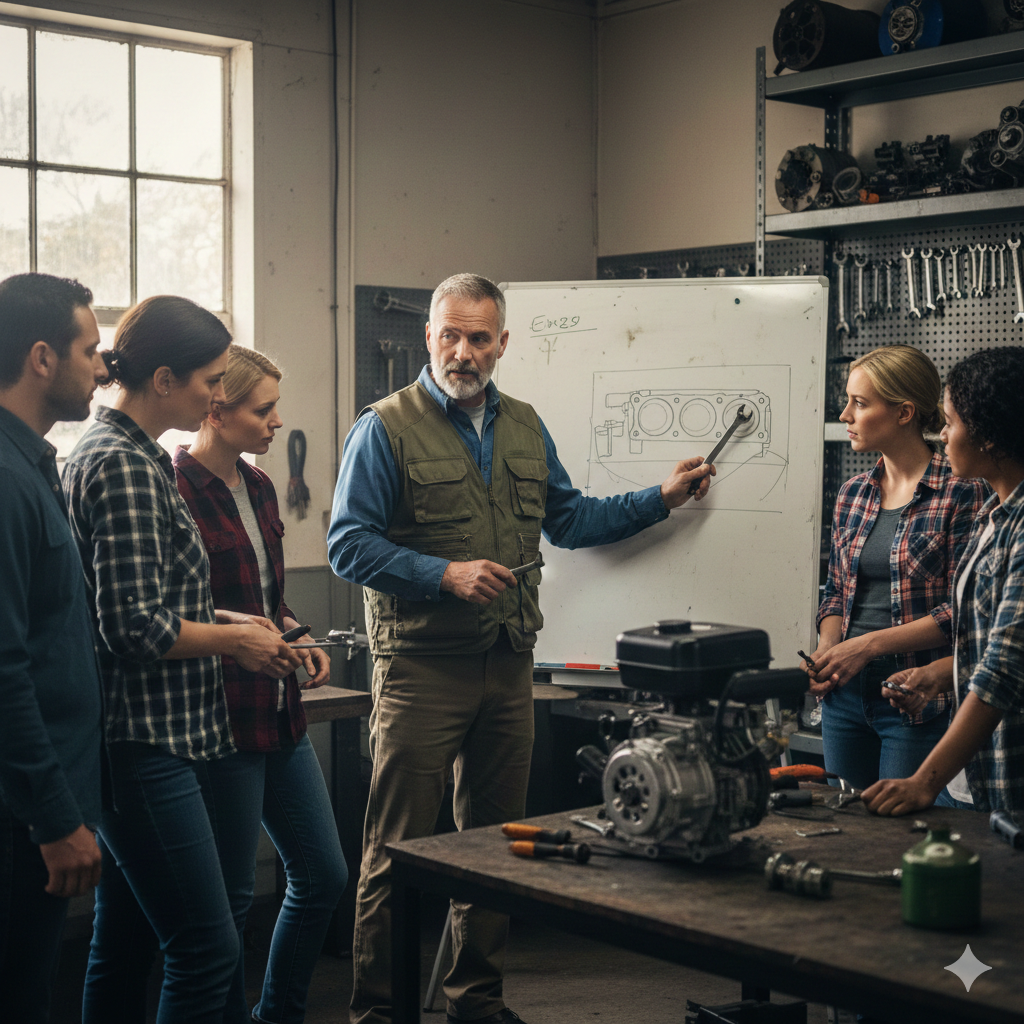
Too often, conversations about veterans after service are framed around what’s “wrong.”
What needs fixing.
What needs correcting.
What needs repairing.
But veterans are not broken.
They are individuals who have spent years developing discipline, leadership, resilience, and responsibility — often in environments most civilians will never experience.
Transition challenges don’t erase that.
They simply change the context.
The Problem With the “Fixing” Narrative
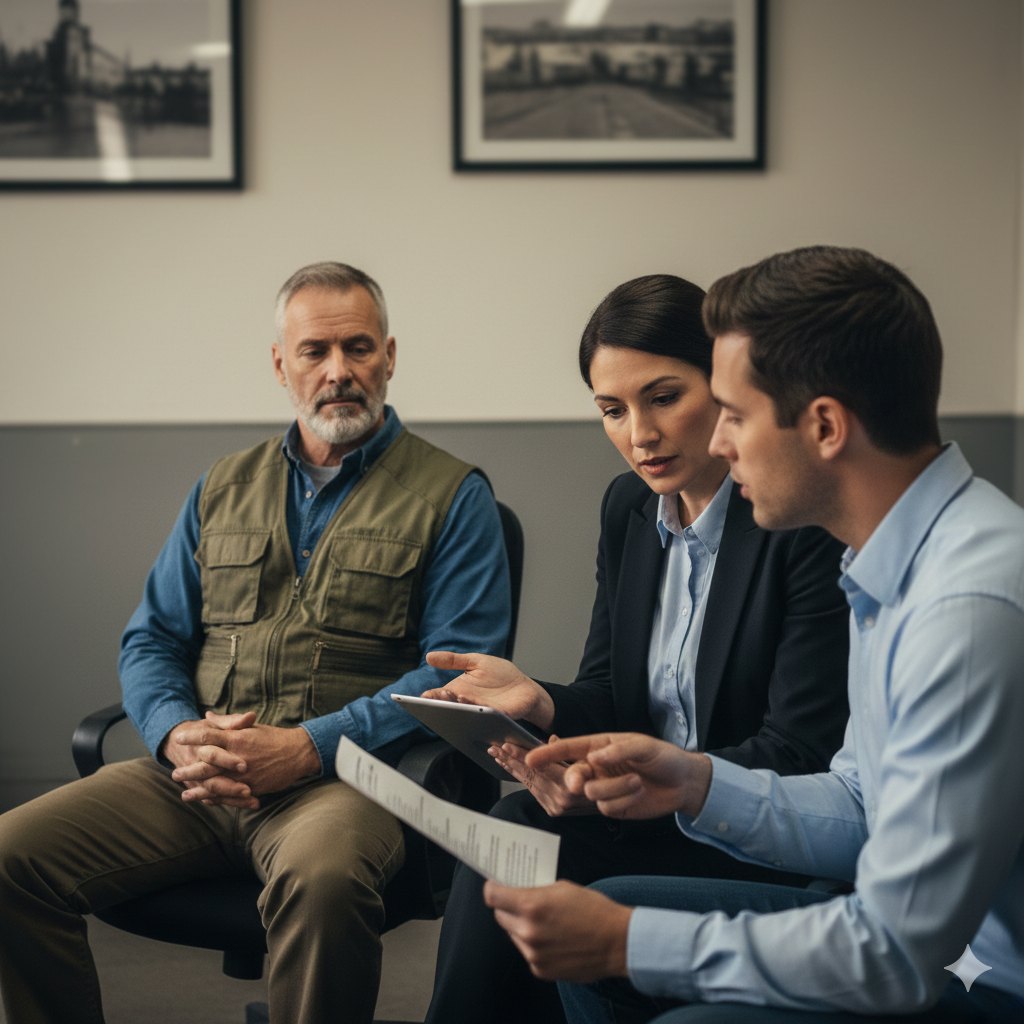
The idea that veterans need to be fixed is usually unintentional — but harmful.
It can:
undermine confidence
reduce veterans to problems instead of people
discourage asking for help
create shame around normal transition struggles
Support framed as “fixing” often misses what veterans actually need.
Support respects strength.
Fixing assumes something is broken.
Why Transition Challenges Are Not Failures
Leaving the military means leaving behind:
structure
identity reinforcement
predictable systems
built-in purpose
Struggling during that shift doesn’t mean something is wrong.
It means something important changed.
Transition challenges are signals of adjustment, not personal failure.
What Veterans Actually Need After Service
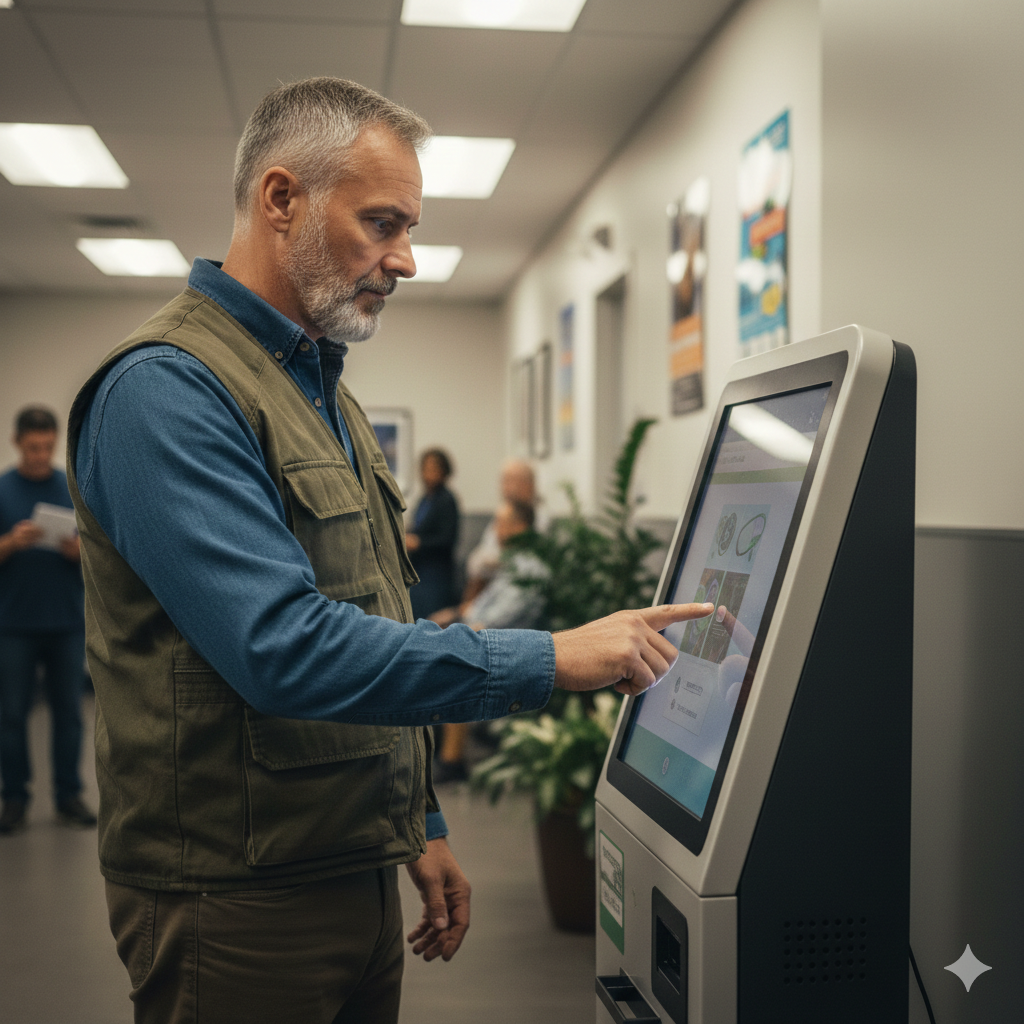
Most veterans don’t need to be told what to do.
They benefit from:
structure without control
guidance without pressure
opportunity without assumptions
respect without judgment
Support works best when it acknowledges competence while offering stability.
The Difference Between Support and Rescue
Rescue implies helplessness.
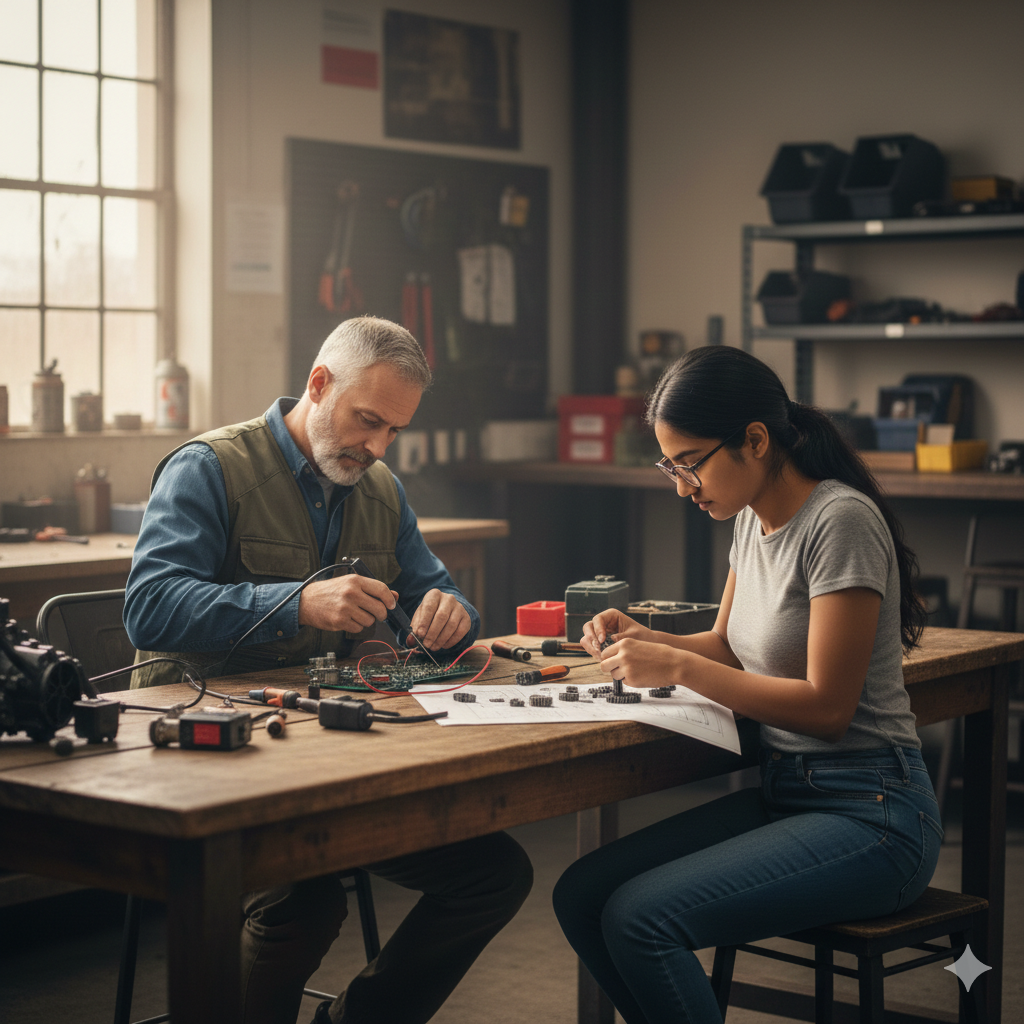
Support assumes capability.
Support:
walks alongside
offers tools and options
respects autonomy
adapts to individual needs
This difference matters — especially for veterans accustomed to responsibility and leadership.
Empowerment grows when dignity is preserved.
Why Over-Support Can Be Just as Harmful
Too much intervention can unintentionally:
remove autonomy
create dependency
slow confidence rebuilding
replace self-direction with compliance
Effective support strengthens independence — it doesn’t replace it.
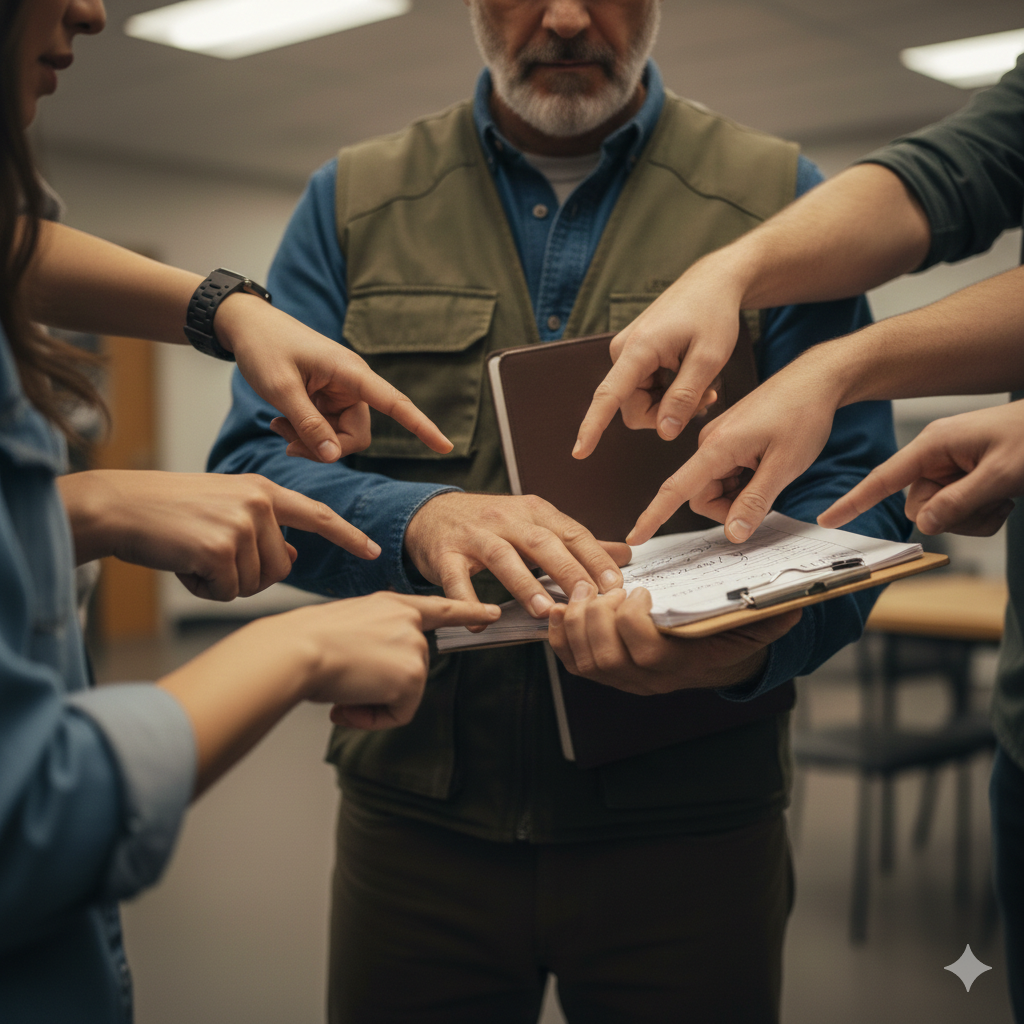
What Respectful Support Actually Looks Like
Respectful support includes:
listening before advising
offering choices, not ultimatums
recognizing progress at every pace
honoring service without defining the future by it
This approach allows veterans to rebuild on their own terms — with guidance available when needed.

How Heroes United Foundation Supports Without “Fixing”
Heroes United Foundation exists to support — not repair.
Our approach centers on:
dignity-first guidance
mentorship and peer connection
access to resources and opportunity
respect for each veteran’s path
We don’t tell veterans who to become.
We support them as they define it themselves.
Strength Doesn’t Disappear After Service
Service shapes people — but it doesn’t limit them.
Veterans carry forward:
leadership
resilience
adaptability
responsibility
Support helps those strengths find new direction — not replacement.

Veterans don’t need to be fixed.
They deserve support that honors who they are and who they’re becoming.
Heroes United Foundation is here to provide guidance, community, and opportunity — without judgment, pressure, or labels.
