Rebuilding Identity After Service: Who Am I Without the Uniform?

When most people think about the challenges veterans face after leaving the military, they think about employment.
Finding a job.
Writing a resume.
Adjusting to a new schedule.
But for many veterans, the hardest part isn’t professional.
It’s personal.
It’s waking up one day and realizing:
“If I’m not in uniform anymore… who am I?”
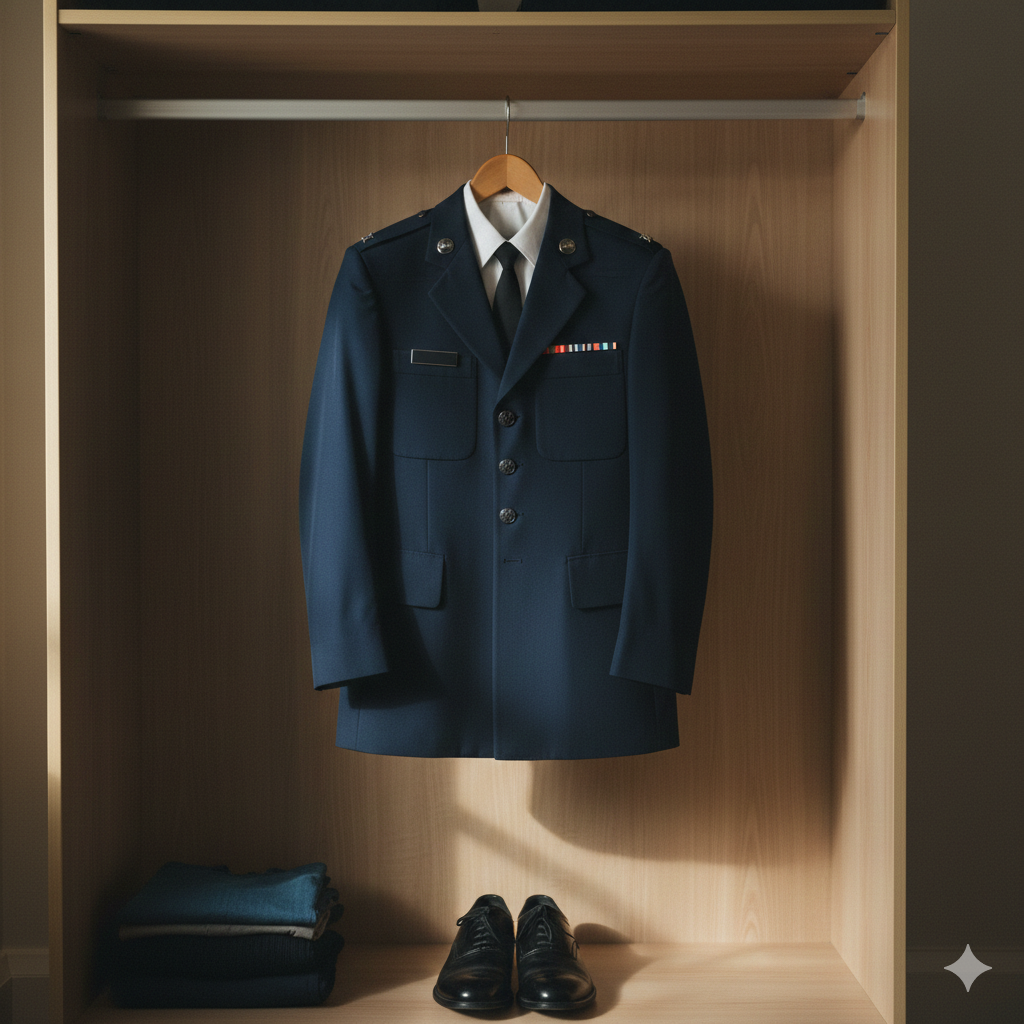
The Military Doesn’t Just Give You a Job — It Gives You Identity
In the military, identity is built into everyday life.
There is:
Structure
Rank
Mission
Purpose
Brotherhood and sisterhood
A clear role in something bigger than yourself
You don’t have to “find yourself” — you’re already part of a system that tells you where you belong.
Then service ends… and everything changes.
Leaving the military isn’t just leaving a career — it’s leaving a way of life.
Why Civilian Life Can Feel So Disorienting
In civilian life, people often ask:
“What do you do?”
“What’s next?”
“What do you want?”
And while those questions sound normal, they can feel heavy for someone who spent years living by mission and duty.
Many veterans experience:
Loss of routine
Loss of direction
Feeling misunderstood
Feeling disconnected
Feeling like no one “gets it”
And when that happens, even simple days can feel emotionally exhausting.
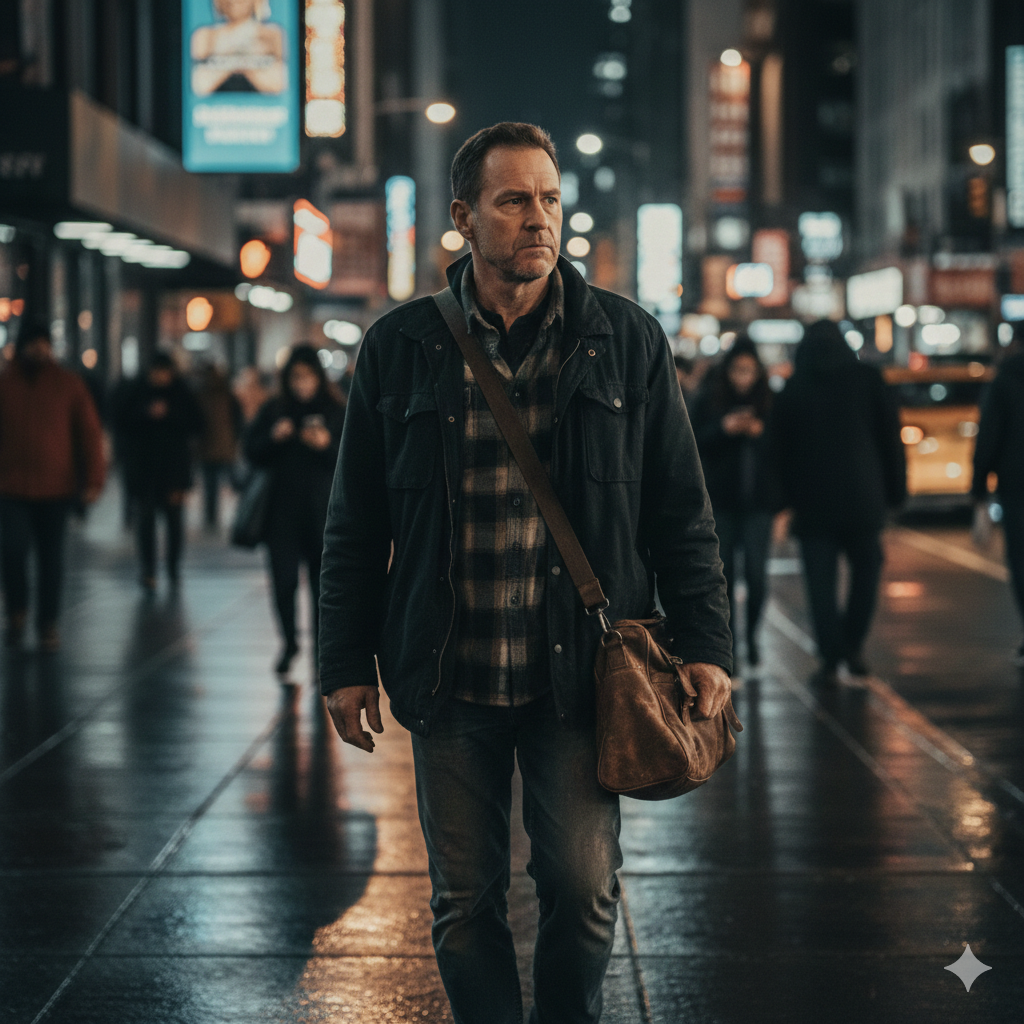
The Identity Shift Nobody Talks About
A veteran can be doing “fine” on the outside — working, smiling, showing up — while still feeling lost internally.
That’s because identity loss doesn’t always look like crisis.
Sometimes it looks like:
Feeling numb
Losing motivation
Avoiding people
Feeling like you don’t fit anywhere
Struggling to care about things that used to matter
This isn’t weakness.
It’s what happens when the role that shaped you suddenly disappears.

Why Purpose Matters More Than Motivation
Motivation comes and goes.
But purpose is what keeps people grounded.
In service, purpose is built-in.
After service, purpose must be rebuilt — intentionally.
Purpose can come from:
Family
Community service
Mentorship
Leadership
Building a career that feels meaningful
Helping other veterans transition
You don’t need to become someone new — you need support becoming yourself again.
How Veterans Can Rebuild Identity After Service
Rebuilding identity isn’t one decision.
It’s a process.
Here are a few powerful steps:
1) Rebuild structure before chasing success
Start with daily routine, not big goals.
2) Find environments that feel familiar
Veterans often thrive in communities built on accountability and shared values.
3) Replace the mission
Purpose doesn’t disappear — it just needs a new direction.
4) Stop trying to transition alone
Isolation slows healing.
5) Allow yourself time
Identity isn’t rebuilt overnight.

Why Community Is a Mirror
One of the hardest parts of transition is feeling invisible.
But community changes that.
When veterans connect with other veterans, something powerful happens:
They feel seen.
They don’t have to explain everything.
They don’t have to pretend.
They can just be.
And that becomes the beginning of identity restoration.
How Heroes United Foundation Supports Veterans Beyond the Uniform
Heroes United Foundation exists because veterans deserve support that goes deeper than resources.
We help veterans rebuild:
Confidence
Connection
Purpose
Direction
Community
Whether through mentorship, support networks, or veteran-focused programs — we stand beside veterans in the identity shift.
Because no one should have to figure out life after service alone.

Life Beyond the Uniform Can Still Be Powerful
The uniform may come off.
But the values stay.
The leadership stays.
The discipline stays.
The resilience stays.
The goal isn’t to go back.
The goal is to move forward — with support — into a life that feels meaningful again.

If you’re a veteran struggling with identity after service, you are not alone.
Heroes United Foundation is here to provide community, mentorship, and support — so you can rebuild purpose and thrive beyond the uniform.
